







 English



New extracurricular clubs will be established in schools, and participation will be free of charge
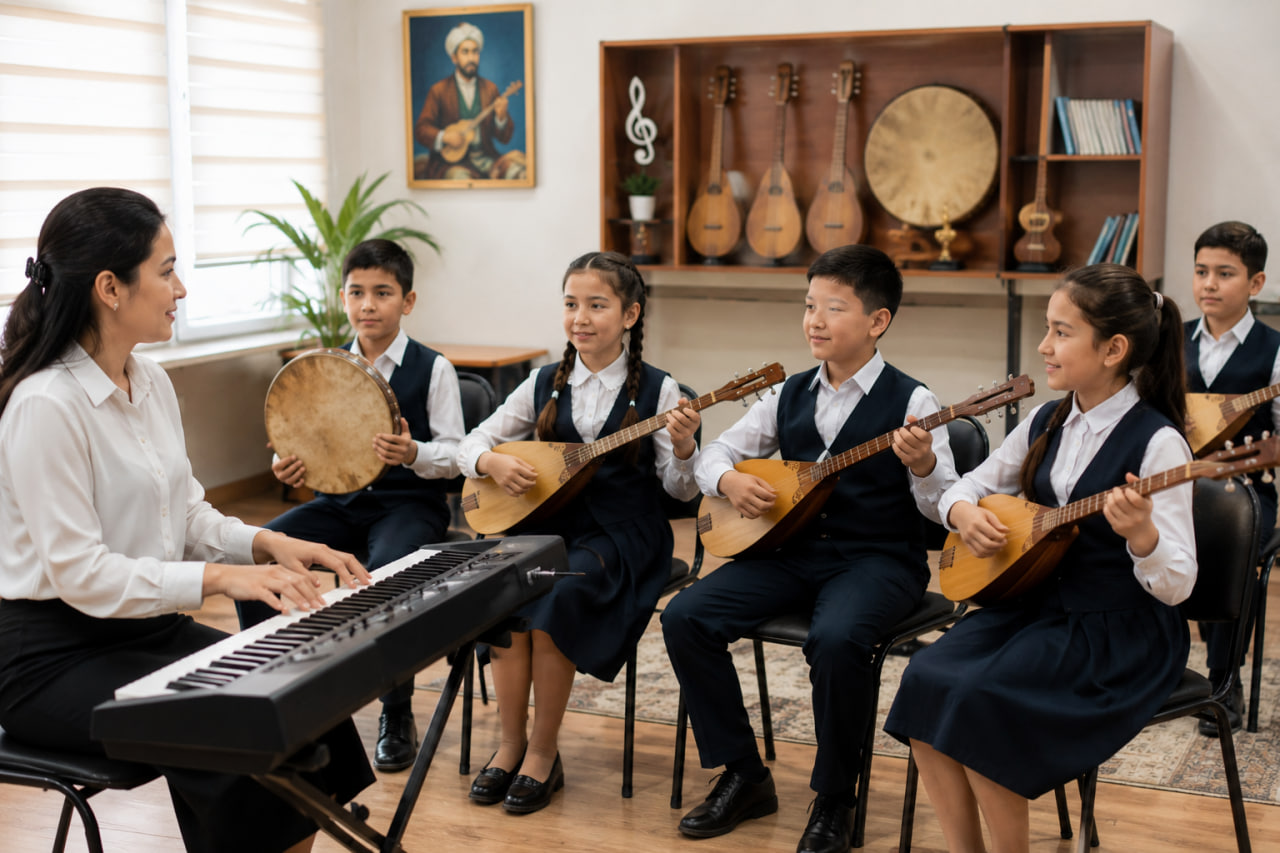
Starting from the 2026–2027 academic year, music and arts clubs will be established in state general secondary schools in order to organize students’ free time meaningfully and develop their creative abilities and talents.
This procedure is established by the Regulation approved by Order No. 315 of the Minister of Preschool and School Education dated August 27, 2026. According to the Regulation, four types of clubs will be organized in general secondary schools.
These are the “Dutar,” “Visual Arts,” “National Dance,” and “Young Doira Players” clubs. At the same time, taking into account the school’s capabilities, students’ interests, and the national and cultural characteristics of the region, additional music and arts clubs may also be established.
Students in Grades 1–11 will be admitted to the clubs on a voluntary basis. Participation requires the consent of the student’s parent or other legal representative. During admission, the student’s musical abilities, vocal potential, sense of rhythm, interest in dancing, and other creative abilities may be taken into account.
Students may be divided into separate groups according to their age and level of preparation. In addition, a student has the right to participate in one or several clubs based on their interests. Importantly, selection among students, artificial restriction of their creative abilities, or charging a fee for participation in a club is not permitted. The list of club participants is approved by the school principal.
The clubs are included in the school’s annual work plan and operate according to a schedule of activities approved by the principal. Sessions are held after regular classes without interfering with students’ main educational process. Each session lasts 45 minutes and is conducted free of charge.
The sessions consist of theoretical and practical components and are conducted by the club leader based on the relevant program. Available vacant classrooms, assembly halls, music rooms, or other suitable premises at the school may be used for the clubs.
The clubs are expected to be gradually equipped with microphones and sound amplification equipment, audio systems, computers or multimedia devices, national musical instruments, doiras, stage costumes, equipment necessary for dance training, sheet music and musical literature, as well as audio and video educational materials.
In the “Dutar” club, students will learn about Uzbek national musical heritage, develop skills in playing the dutar, and study folk melodies and maqoms, as well as musical notation. Attention will also be paid to respect for national values, aesthetic education, teamwork, and the development of hand and finger coordination. Club participants will be prepared to take part in school events, holiday concerts, and various cultural programs.
In the “Visual Arts” club, students will study drawing, painting, still life and landscape, proportion and volume, composition, and creative thinking. Students will also be involved in studying the national and cultural characteristics of their region, meeting local artists and masters, and exploring examples of visual art.
In the “National Dance” club, students will learn the basic movements of Uzbek national dance, hand and foot movements, stage movement, coordination between music and movement, stage culture, national dances characteristic of different regions, and group dance compositions. The sessions will be organized taking into account the students’ age and physical abilities.
In the “Young Doira Players” club, students will learn about the structure of the doira and rules for using it, how to hold the instrument correctly, basic strokes, simple rhythmic exercises, rhythmic accompaniment of national melodies, solo and ensemble performance, and stage performance culture. Talented doira players will be prepared for competitions and festivals at various levels.
The activities of the clubs will not be limited to regular sessions. Participants may take part in concert programs held as part of school events such as “First Bell,” “Teachers and Mentors’ Day,” “New Year,” “March 8 — International Women’s Day,” “Navruz,” and “Last Bell.” Schools may also organize creative reviews and competitions such as “Young Talents,” “School Artists,” and “Young Doira Players.”
Teachers with relevant knowledge, skills, and experience in music and the arts, specialists in the fields of culture and art, and, where necessary, qualified creative professionals may be engaged as club leaders.
The club leader organizes sessions according to the approved schedule, maintains attendance records, is responsible for the quality of the sessions, identifies talented students, prepares them for competitions and festivals, and prepares reports on the work carried out. The club leader is also responsible for ensuring the proper care and preservation of musical instruments and other equipment.
Chapter 15 of the Regulation, which addresses financing, establishes that the organization of clubs and financing of their activities shall be carried out from sources that are not prohibited by law. At the same time, remuneration for club leaders is to be provided in accordance with the requirements of applicable labor and budget legislation.
In other words, the Regulation does not specifically state the exact amount, number of hours, or conditions under which club leaders will be paid. It is known that teachers’ job responsibilities include conducting extracurricular subject-based club sessions aimed at working with students who have difficulties mastering subjects, as well as gifted students, with the aim of developing their abilities and talents.
According to the Regulation “On the Procedure for Developing a Model Annual Work Plan for Teachers of General Secondary Educational Institutions in Pedagogical Specialties,” subject-based clubs are included in a teacher’s pedagogical workload, while organizing such clubs is considered part of the methodological support of the educational process and organizational and pedagogical activities.
Therefore, given that the current regulatory documents do not establish a specific amount, number of hours, or conditions for additional payment for conducting subject-based clubs, and that this activity is included in teachers’ job responsibilities and pedagogical workload, teachers may not receive separate additional payment for conducting such subject-based clubs.
Comments 12
Please register to comment!


News
Prezident bolalarga nisbatan jinsiy jinoyatlar uchun umrbod ozodlikdan mahrum qilish jazosini joriy etish haqidagi qonunni imzoladi

Ta’lim uchun davlat xarajatlari besh yilda ikki barobardan ziyod oshgan
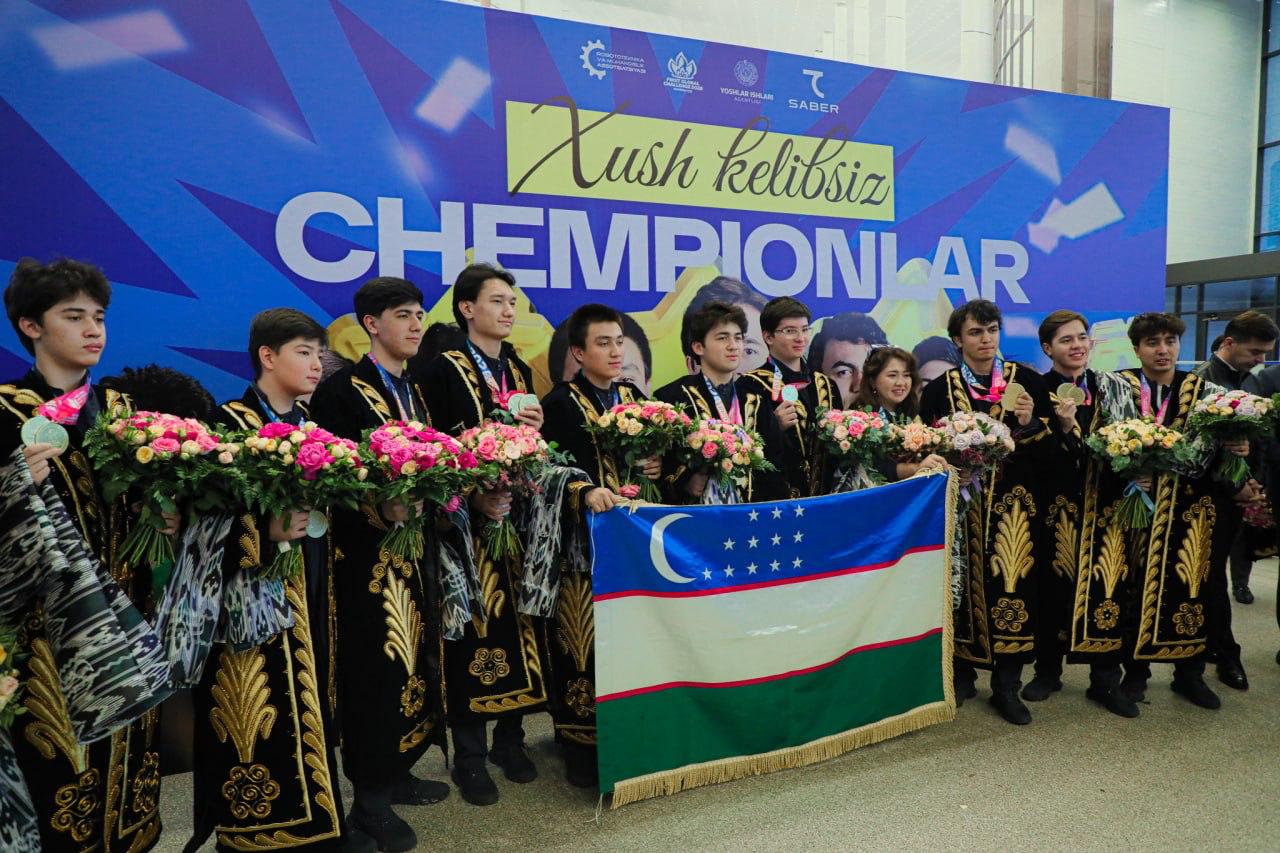
Prezident robototexnika bo‘yicha jahon chempioni bo‘lgan yoshlarni mukofotladi
Bosh vazirning birinchi o‘rinbosari — ta’lim va ilm-fan vaziriga biriktirilgan tashkilotlar ro‘yxati tasdiqlandi
News on the topic

 Вы спрашивали
Are points awarded for bonuses to teachers who have completed the circle?
I submitted documents to receive a bonus from the director's fund. Throughout my career, I have worked with underperforming and gifted students and conducted clubs. But is it true that the vice-principal and the director say that he will not receive any points?
 News
News
Maktablarda “Halollik to‘garaklari” faoliyati yo‘lga qo‘yiladi
“Halollik to‘garaklari” faoliyatini yo‘lga qo‘yishdan asosiy maqsad korrupsiyaga qarshi kurashish, yoshlar ongida halollik, adolat va shaffoflik tamoyillarini mustahkamlashga qaratilgan davlat siyosatini amalga oshirishdan iborat.
 News
News
Endi maktablarda “Kelajak” markazlarining tarmoq to‘garaklari tashkil qilinadi
O‘zbekiston Respublikasi Vazirlar Mahkamasining 2025-yil 10-dekabrdagi 776-sonli qarori bilan “Kelajak” markazlari faoliyati tartibga solindi.
 Вы спрашивали
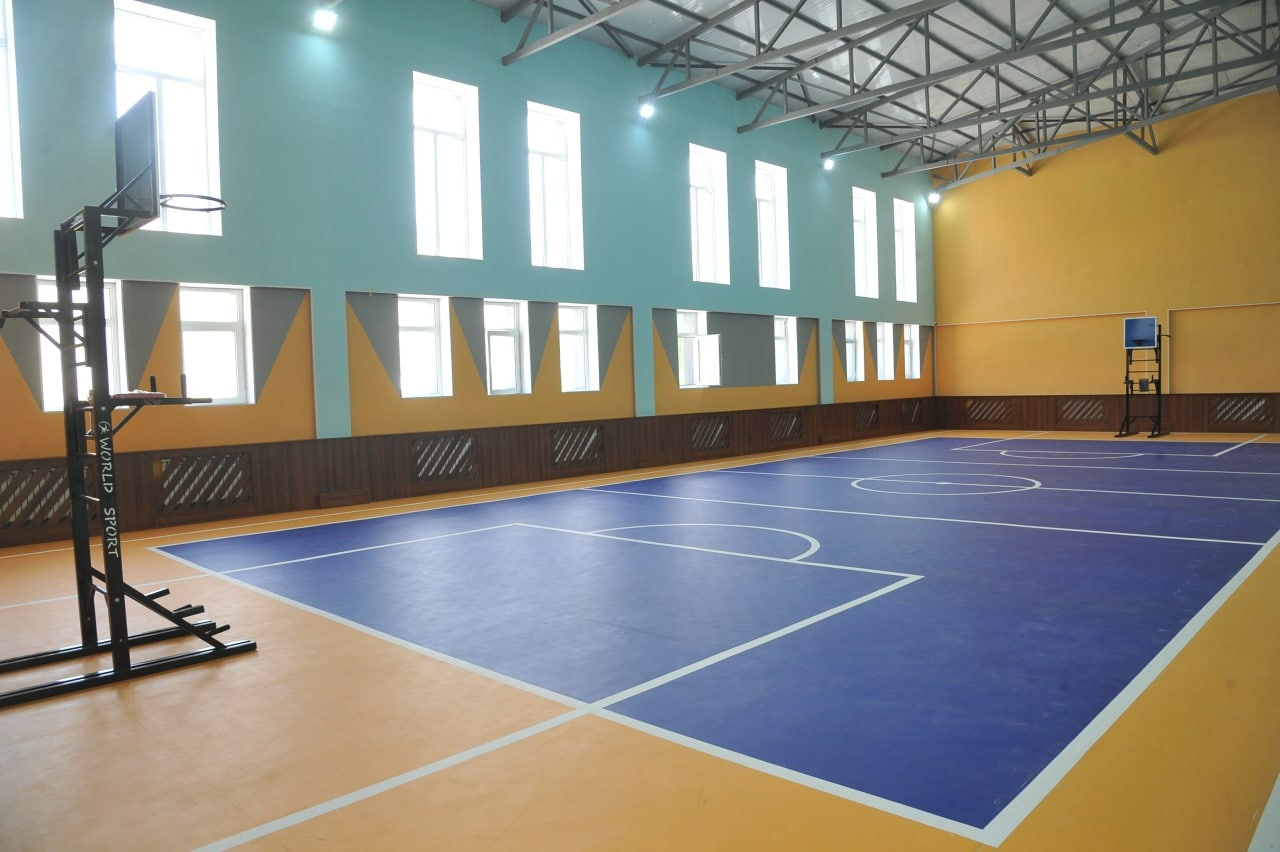
Is it possible to open a paid club in the school gym?
It is possible to increase paid sports clubs in the sports facilities of educational institutions.



Edit your comment