







 English




The preschool and school education system is on the list of corrupt organizations.
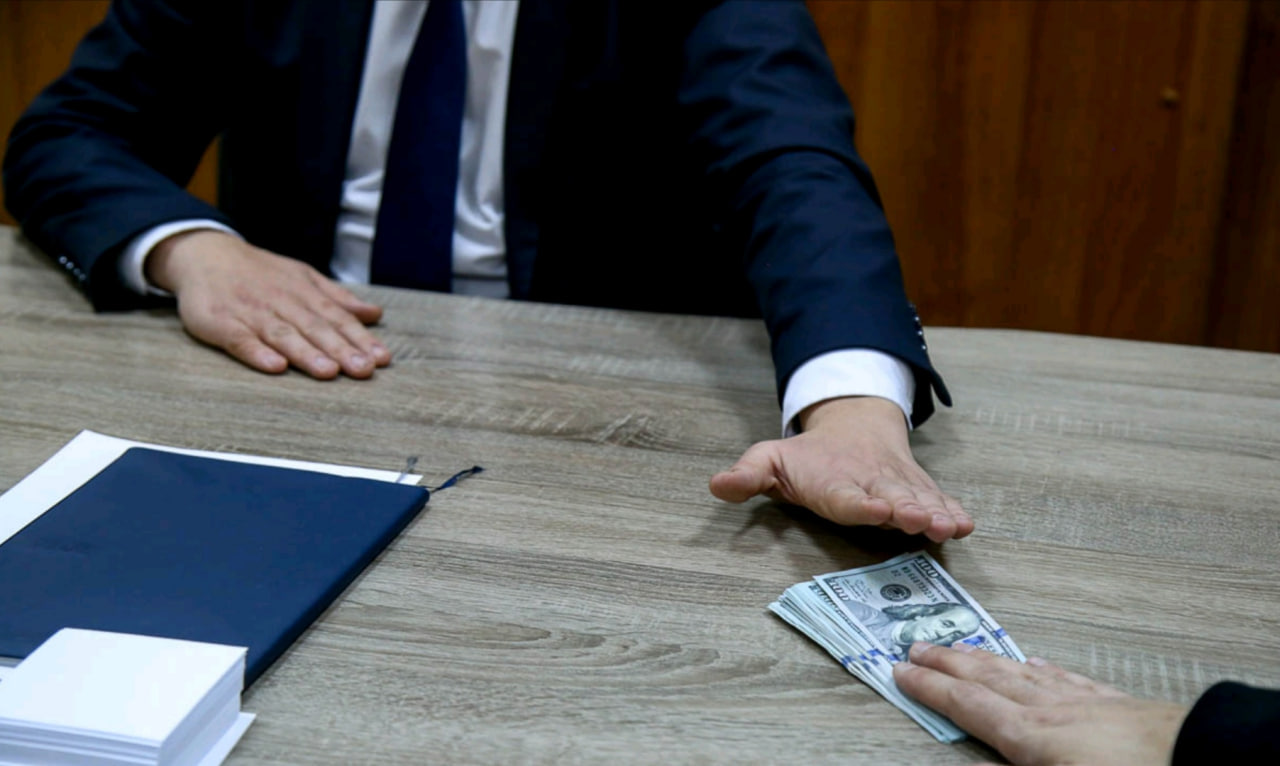
The Ministry of Preschool and School Education was also mentioned in the list of the most corrupt organizations of 2025. In particular, a number of violations of the law have been identified in the system, including cases of illegal government procurement and acquaintanceship by officials in Samarkand.
On February 6 of this year, a meeting of representatives of the Anti-Corruption Agency and the public council was held in the building of the Anti-Corruption Agency on the report on the work done last year and what is expected this year.
The Ministry of Preschool and School Education was also mentioned among the most corrupt organizations of last year. The Anti-Corruption Agency provided some information at the request of xalqtaliminfo.uz.
According to the information, in order to prevent corruption, managers who have worked in the same position for many years have been rotated, and this work continues.
In particular, in 2025, 666 school principals and 447 heads of preschool educational organizations were rotated in the preschool and school education system.
For information: Earlier, the Chairperson of the Senate of the Oliy Majlis of the Republic of Uzbekistan, Tanzila Narbaeva, strongly criticized individuals who have been holding leadership positions for a long time.
He cited as an example that 55 employees of preschool educational institutions in the Syrdarya region have been working in the same institution for more than 5 years, 23 employees for more than 10 years, and 11 employees for more than 20 years.
He also sharply criticized the fact that 67 employees of schools and extracurricular educational institutions have been working as heads in the same institution for more than 5 years, 64 employees for more than 10 years, and 29 employees for more than 20 years.
Other instances of corruption in the system
Last year, the Anti-Corruption Agency analyzed the causes of corruption crimes in the preschool and school education system, the implementation of the "Corruption-Free Sector" project, and corruption factors in regulatory legal documents related to the sector.
During the inspections of purchases made at the expense of international financial institutions and foreign government financial organizations, a number of illegal facts were revealed.
In particular, 117 submissions were made to state customers on 189 public procurements worth 666.6 billion soums, 60 procurements worth 70 billion soums were canceled, and 109 inquiries were sent to law enforcement and regulatory bodies on 166 public procurements worth 667.5 billion soums.
Also, for preschool educational institutions located in Andijan, Tashkent regions, and the city of Tashkent, a submission was made regarding violations of the law in tenders for "provision of healthy food services by outsourcing" for a total of 441.7 billion soums.
At the same time, administrative penalties were applied to 14 (16 billion) officials, disciplinary measures were applied to 12 (3.8 billion) officials, criminal cases were initiated in 2 cases, and protocols were drawn up for 49 and sent to the relevant courts (Article 193-4 of the Code of Administrative Offenses).
It should be noted that in 2024, the Ministry of Preschool and School Education recorded a "good" result with 82 points in the rating of the effectiveness of state bodies in combating corruption.
The Agency of Specialized Educational Institutions under the Ministry also achieved a "good" result with 81 points, while the Agency of Preschool Education was recognized as "satisfactory" with 56 points.
In general, corruption in the system is not limited to shortcomings in individuals or in certain regions; this problem may also be largely related to the specific structure of the system. The preschool and school education system is one of the largest sectors among state organizations, encompassing thousands of institutions, millions of students, and large budget funds. Such a scale naturally complicates the mechanisms of self-control.
Therefore, to reduce the problem, in addition to punitive measures, it is necessary to implement systemic reforms, expand the scope of open data, and strengthen public control.
Comments 0
Please register to comment!


News

Ta’lim tizimida psixologik xizmatni rivojlantirish bo‘yicha yangi tizim joriy etiladi
“Aravani tortolmagan kadr bizning oramizda bo‘lmaydi” — Erkinjon Turdimov

O‘qituvchilar attestatsiyasini o‘tkazuvchi markaz boshqa tashkilotga qo‘shib yuborildi
Ta’lim va ilm-fan vaziriga o‘rinbosarlar tayinlandi
News on the topic
 News
News
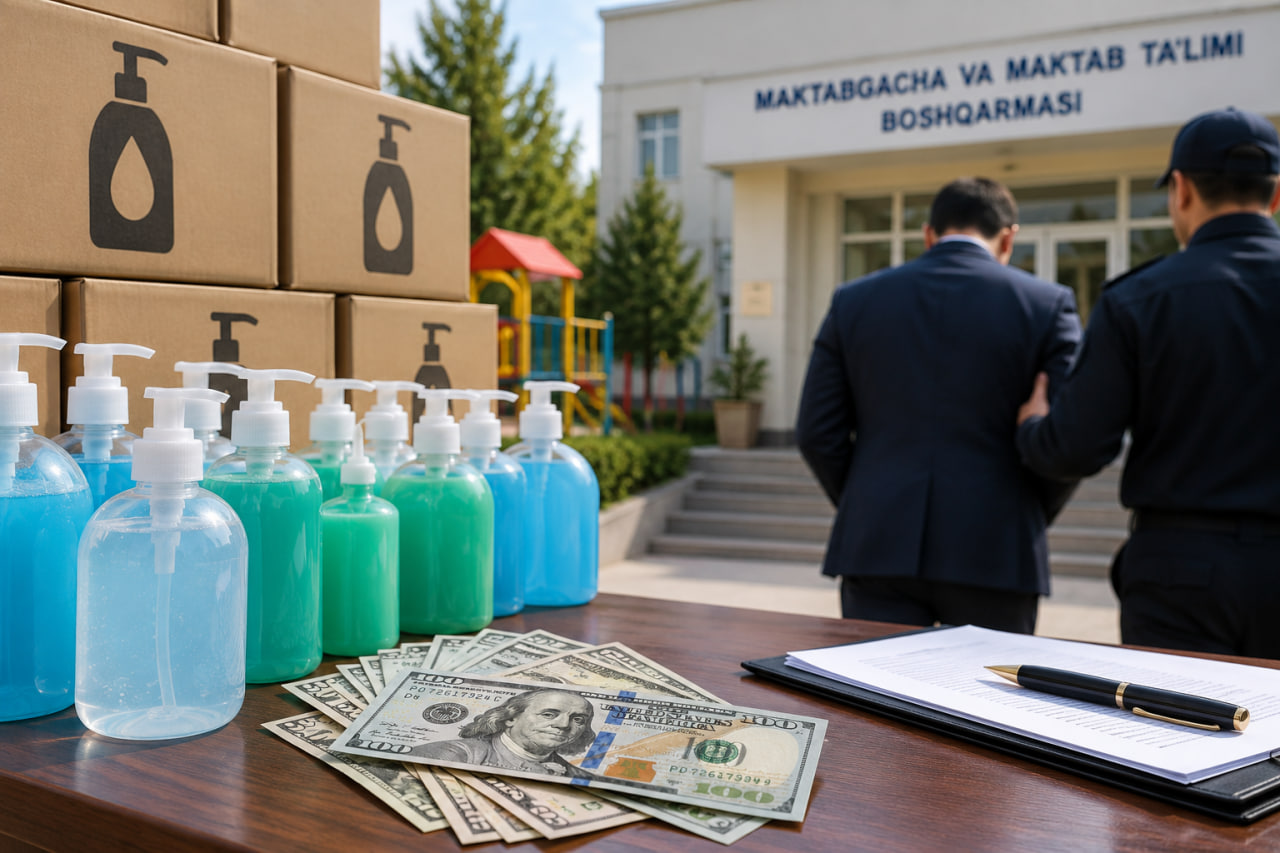
Maktab farroshligi uchun 1500$, bog‘cha tarbiyachiligi uchun 500$ olgan direktorlarga ozodlikni cheklash jazosi tayinlandi
Surxondaryo viloyati maktabgacha va maktab ta’lim tizimida fuqarolarni ishga joylash evaziga pora olish va pora berish bilan bog‘liq holat aniqlandi, ta’lim tashkiloti rahbarlariga sud hukmi bilan tegishli jazolar tayinlandi. Xalqtaliminfo.uz sud hujjatlari bilan tanishdi.
 News
News
Samarqandda ham MMTB mas’ullari 1,1 mlrd so‘mlik budjet mablag‘larini talon-toroj qildi
Samarqand viloyati maktabgacha va maktab ta’limi boshqarmasi mas’ullari 1,1 mlrd so‘mlik budjet mablag‘larini talon-toroj qildi.
 News
News
Vazirlik attestatsiya testlarini yana pullashni boshladimi?
Ayni paytda esa sinov.uz platformasida attestatsiyaga tayyorgarlik uchun mo‘ljallangan testlar yana 25 ming so‘mdan sotuvga qo‘yilgan. Platformada turli fanlar bo‘yicha attestatsiyaga tayyorgarlik testlari mavjud.
 News
News
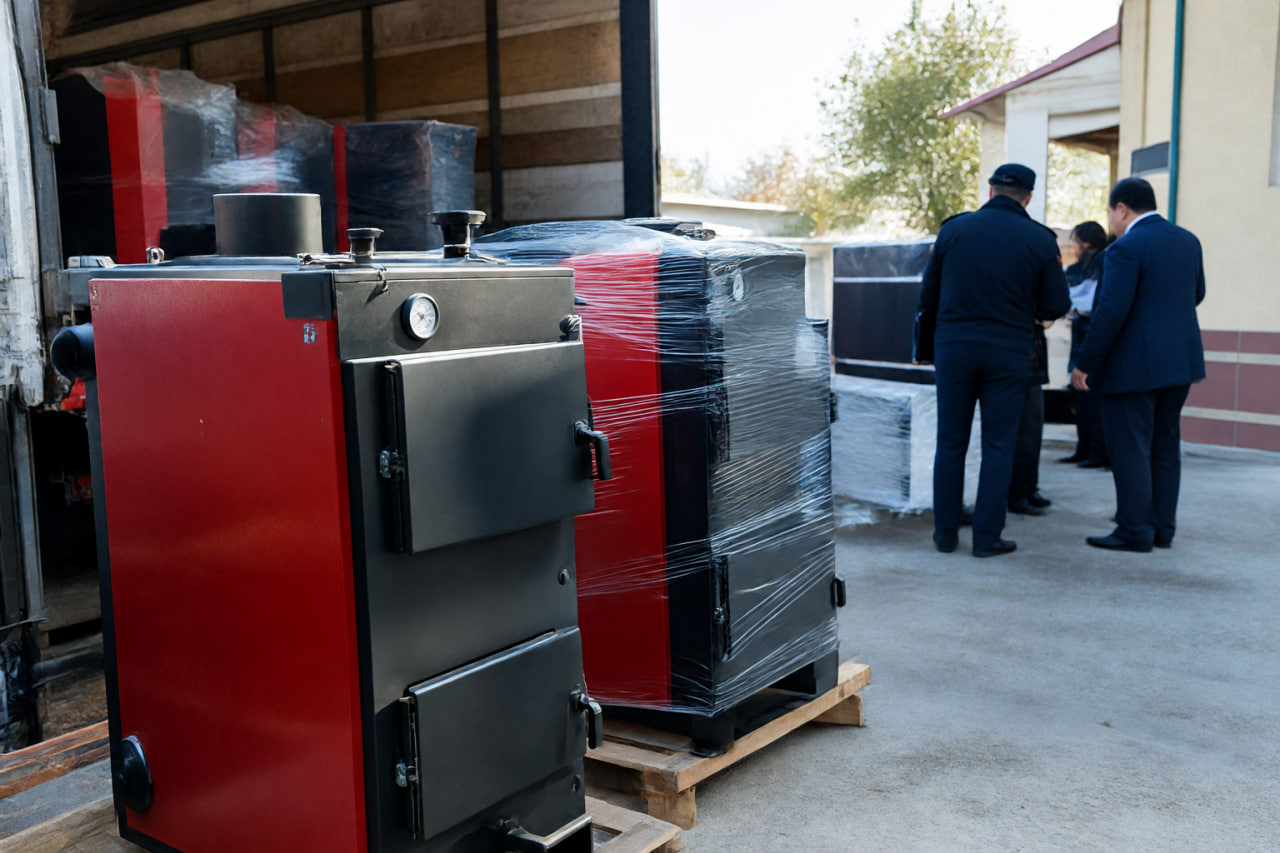
Officials of the District Education Department Found to Have Embezzled 1 Billion UZS in Budget Funds
A financial violation involving budget funds allocated for the heating systems of educational institutions has been uncovered in Davlatabad District, Namangan Region.
Edit your comment